



Vikram Sharma
JAMMU: To meet the surging demand for meat in Jammu and Kashmir, 900 high-quality sheep are being imported from Australia under the Integrated Agriculture Development Program (HAPD). The ambitious initiative, with a budget of ₹26 crore, aims to bolster meat production in both Jammu and Kashmir divisions, reducing reliance on imports and fostering local breeding.
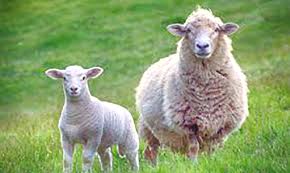
The imported sheep belong to the Texel and Dorper breeds, globally recognized for their superior meat yield. Texel sheep originate from the Netherlands, particularly the Texel Island, and are distinguished by their compact size, rapid muscle development, and resilience.
Dorper sheep, a hybrid of Dorset Horn and Blackhead Persian breeds, are known for their adaptability and high fertility. Lambs of the Dorper breed reach a weight of 35–40 kg within four months, while adult sheep can weigh up to 90 kg, making them ideal for the Jammu region.
Currently, over 15 lakh sheep are consumed annually in Jammu and Kashmir, with 41% sourced from outside the region, incurring an expenditure of approximately ₹1,400 crore. This heavy reliance on imports underscores the pressing need for self-sufficiency.
To address this, the Jammu and Kashmir government has approved a five-year project worth ₹329 crore to enhance wool and meat production under the Comprehensive Agriculture Development Program.
A team of six sheep-farming experts from Jammu and Kashmir will soon travel to Australia to oversee the selection and initial quarantine of the sheep. The imported animals will undergo a one-month quarantine in Australia, followed by a two-month quarantine in specialized centers in Jammu and Kashmir.
Rajbagh, Kathua, has been designated as the quarantine center for the Jammu division, while Kashmir division will receive its share of the flock at a separate facility. After quarantine, the sheep will be relocated to Panthal, a government-run sheep-rearing farm in Reasi.
The distribution plan allocates 450 Dorper sheep to the Jammu division and an equal number of Texel sheep to the Kashmir division. The breeds have been strategically chosen for their ability to thrive in local climatic conditions and their potential to significantly boost meat production.
Kashmiri cuisine’s reliance on meat underscores the cultural and economic importance of this initiative. By promoting large-scale breeding of Texel and Dorper sheep, the region aims to achieve self-sufficiency in meat production, reduce the financial burden of imports, and stimulate local agriculture.
The programme reflects a robust strategy for sustainable development in Jammu and Kashmir. It not only addresses current supply shortages but also positions the region as a potential hub for high-quality sheep farming in the future. As documentation for the project nears completion, the arrival of the sheep marks a significant step toward agricultural modernization and economic independence for Jammu and Kashmir.

