



Arteev Sharma
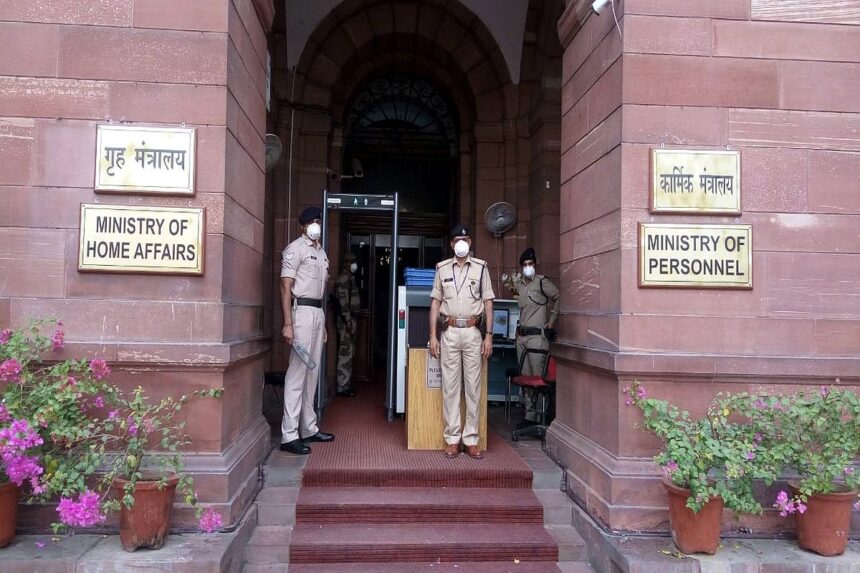
Jammu: The Ministry of Home Affairs (MHA) has invited leaders of the Leh Apex Body (LAB) and the Kargil Democratic Alliance (KDA) for the next round of Sub-Committee-level talks in Leh on October 15 to discuss the proposed Union Territory-level elected body, its powers and the framework for constitutional safeguards for Ladakh.
“We have received an official invitation from the MHA for a fresh dialogue to be held in Leh on October 15. We have conveyed it to the KDA leaders as well. We will hold a meeting with them before the scheduled meeting to finalise our strategy,” CheringDorjay Lakrook, veteran Buddhist leader and LAB chairman, told The News Now.
Lakrook said the LAB has prepared its response to the nine queries raised by the MHA and would submit it at the upcoming meeting. “We expect both sides to reach a concrete conclusion based on the decisions taken earlier at the May 22 meeting,” he said and hoped that the Centre would present a detailed draft proposal for tailor-made constitutional safeguards under Article 371(K), along with a meaningful UT-level Legislative Assembly.
He said the LAB and KDA leaders would carefully examine the proposals put forward by the MHA before consulting stakeholders across Ladakh to build a broader consensus in the interest of the region.
Sources said the LAB had sought assistance from legal experts while preparing its response, with the MHA’s queries primarily relating to the proposed structure, composition and functioning of the UT-level elected body.
The upcoming meeting assumes significance as the previous round of Sub-Committee-level talks, held in New Delhi on September 9, remained inconclusive. However, the two sides had reportedly agreed that members of the proposed elected body would be directly elected by the people of Ladakh rather than nominated or chosen by representatives of the seven newly notified Autonomous Hill Development Councils.
It was also decided that the MHA team would visit Ladakh for the next round of discussions with the LAB, KDA and other stakeholders to take forward deliberations on the proposed body’s composition and powers.
During the earlier discussions, Ladakh stakeholders were informed that subjects such as land, culture, heritage, forests, environment and natural resources would fall within the domain of the proposed elected body under Article 240.
However, several crucial aspects remain unresolved, including the name of the proposed institution, its total number of seats, the precise distribution of powers and its overall institutional structure.
The LAB and KDA had reached an in-principle understanding with the Centre during the May 22 meeting in New Delhi on restoring a democratic framework in Ladakh and providing constitutional safeguards broadly on the lines of Articles 371A, 371F and 371G.
The discussions also covered the creation of a UT-level elected body with legislative, financial and executive powers. Two subsequent meetings were held by the MHA in Leh, where the proposed structure and powers of the elected body were discussed further. Despite these rounds of dialogue, the Centre has yet to place before the stakeholders a comprehensive framework of the proposed institution.

