



Jal Shakti minister says ‘40% water supply restored’, ground situation contradicts claims; politics over tanker supply adds to public woes
Arteev Sharma
Jammu: Amid growing protests and resentment over an acute shortage of drinking water in parts of Jammu, Minister for Jal Shakti Javed Ahmed Rana on Sunday claimed that only 40 percent of the water supply has been restored in the flood-hit areas of the region.
Rana said it would take another two days to restore water supply “substantially,” while teams have been directed to conduct an immediate assessment of losses to the Public Health Engineering (PHE) department for a comprehensive proposal to rebuild damaged infrastructure.
“We have restored 40 percent of water supply in the affected areas where flash floods caused extensive damage to PHE infrastructure. Private as well as government tankers have been pressed into service to meet the needs of people at this critical juncture,” Rana told The News Now.
He added that officials were working on a detailed report of the losses, expected to be submitted by Monday evening. “Our priority is to ensure safe, timely and affordable access to drinking water,” he asserted, warning officials of “zero tolerance” for any lapses.
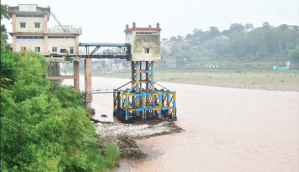
However, the ground situation painted a grim picture. Filtration plants along river Tawi, which cater to large parts of Jammu city, were clogged with silt, mud and slush.
Officials said the Tawi filtration plant supplying old city areas would take at least a week to be restored, as reservoirs and electric motors were badly damaged after remaining submerged in flood water.
The Sitlee filtration plant also remains non-functional. “Flash floods in small nullahs washed away a major portion of the supply line from Sitlee. The stretch through which the line passes is slide-prone, making realignment extremely difficult. Restoring supply will take much longer than expected,” sources in the PHE department said.
Meanwhile, the unavailability of water for drinking and other purposes triggered protests in different parts of the region.
“It has been five days without water. The government has failed to restore supply or provide adequate tanker services. Today, water was supplied for just a few minutes,” said the locals residents of Ward 16 who staged a noisy protest.
The crisis has also sparked complaints of political interference in the distribution of tanker supply. “Politicians from ruling and opposition parties are dictating where tankers should go, leaving many localities without water,” an official alleged.
Amid mounting public anger, the district administration on Saturday took control of all private tankers and borewells to ensure equitable distribution. In an order issued under Section 163 of the Bharatiya Nagarik Suraksha Sanhita, 2023, Deputy Commissioner Jammu requisitioned all private tankers, placing them under the Jal Shakti department. Operators have been barred from independently selling water, while traffic police have been asked to impound tankers without duty slips. SDMs have also been directed to identify at least 25 borewell filling stations each and hand them over to the department.
Despite these measures, the situation in many parts of Jammu continues to remain grim, with authorities struggling to restore supply amid extensive damage to infrastructure.

