



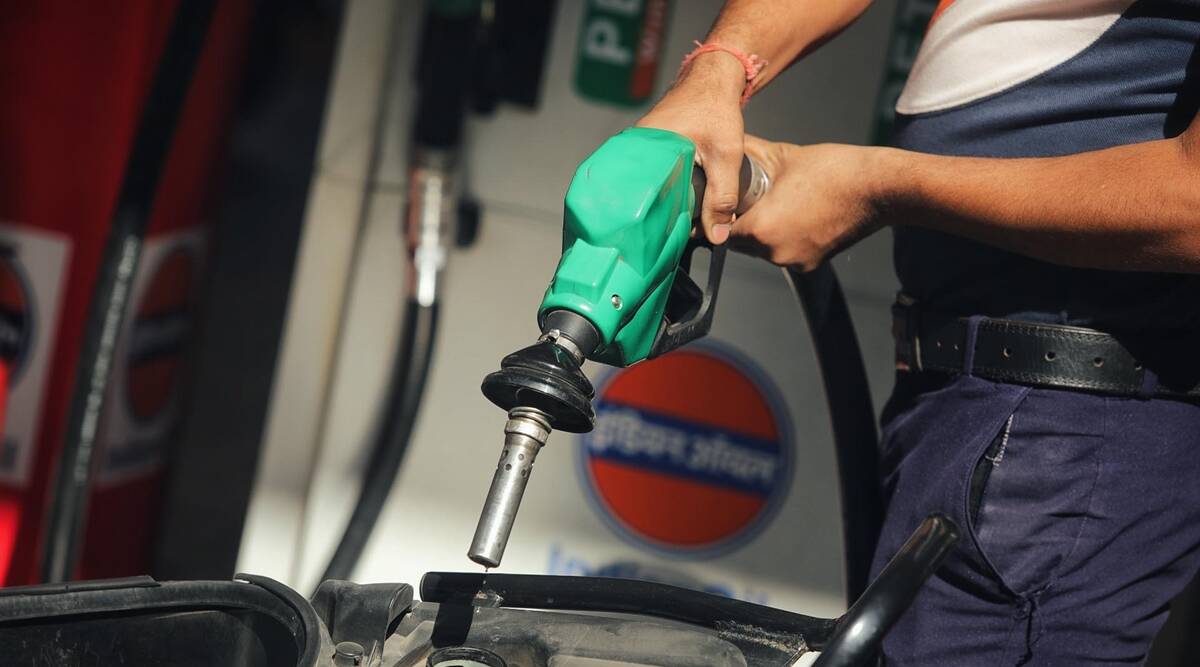
New Delhi: Petrol and diesel prices were increased by Rs 3 per litre across the country on Friday, marking the first fuel price hike in more than four years as rising global crude oil prices put pressure on oil marketing companies.
With the latest revision, petrol in Delhi now costs Rs 97.77 per litre, while diesel has risen to Rs 90.67 per litre. Prices of compressed natural gas (CNG) were also increased by Rs 2 per kilogram in major cities including Delhi and Mumbai.
The fuel price hike comes amid a sharp rise in international crude oil prices following the ongoing Iran conflict and disruptions in global oil supply routes through the Strait of Hormuz. Crude prices have reportedly surged by over 50 percent since late February, significantly increasing import costs for India.
Despite the global rise, fuel prices in India had remained largely unchanged for months, with the government stating that the move was aimed at protecting consumers from inflation. However, opposition parties alleged that rates were deliberately kept frozen during key state elections.
The latest increase came shortly after the conclusion of assembly elections in several states.
Congress leader Rahul Gandhi criticised the Centre over the hike, accusing the government of burdening the public with rising costs. The BJP, however, defended the decision, saying consumers had been shielded from global oil shocks for over two months and that the increase was “limited and calibrated.”
Fuel prices are now at their highest level since May 2022. In Mumbai, petrol crossed Rs 106 per litre, while diesel rose above Rs 93. Similar increases were recorded in Kolkata and Chennai.
Experts warned that the hike could add pressure on inflation by increasing transportation and logistics costs across sectors. Economists estimate that oil companies continue to face significant losses despite the latest increase, as global crude prices remain elevated above USD 100 per barrel.
Meanwhile, the Centre also imposed a windfall tax on petrol exports and revised export duties on diesel and aviation turbine fuel in an effort to maintain domestic fuel availability during the ongoing global energy crisis.
The government has also appealed for fuel conservation measures, including reduced travel and work-from-home practices, as rising energy prices continue to impact India’s economy and foreign exchange reserves.
Meanwhile, on a rare move, Prime Minister Narendra Modi on Friday strongly rejected a media report that the government is considering levying a tax or a cess or a surcharge on foreign travel and termed the news “totally false”.
The prime minister’s strong rebuttal came after the media report suggested that the government is considering levying a tax or a cess or a surcharge on foreign travel but no final decision has been taken yet.
“This is totally false. Not an iota of truth in this. There is no question of putting such restrictions on foreign travel. We remain committed to improving ‘Ease of Doing Business’ and ‘Ease of Living’ for our people,” Modi, who is currently on a five-nation tour, said in a post on X.
It is rare that the prime minister himself has denied a media report.
The report, quoting sources, claimed that the proposal to levy a cess or a tax or a surcharge on foreign travel is being discussed at the highest levels.
Emphasising that the Centre is trying to shield people from the adverse impact of the ongoing West Asia conflict, Modi had on May 10 called for a judicious use of fuel and postponement of gold purchases, among other measures, to strengthen the economy.
Addressing a rally organised by the Telangana unit of the Bharatiya Janata Party (BJP) in Hyderabad, the prime minister suggested reducing petrol and diesel consumption, using metro rail services in cities, carpooling, increased use of electric vehicles (EVs), utilising railway services for parcel movement and working from home amid the crisis in West Asia.

