



Panel calls for stronger flood forecasting network, regulation of floodplain construction, and accredited water testing labs across UT
WAJAHAT SHABIR
SRINAGAR: The Standing Committee on Water Resources has raised key concerns over flood forecasting, river-linking challenges, and safe drinking water in Jammu & Kashmir, while reviewing the Union Government’s action on its recommendations.
According to the Seventh Report on the Ministry of Jal Shakti (Department of Water Resources, River Development & Ganga Rejuvenation), the Committee noted that Jammu & Kashmir currently has three flood forecasting stations, with plans to add three more by 2026. This includes two additional level stations and one inflow station, in recognition of the Union Territory’s heightened vulnerability to extreme precipitation events, glacial melts, and cloudbursts.
The panel stressed the need to strengthen the flood management system in J&K, pointing out that climate change is already intensifying rainfall patterns and increasing flood risks in Himalayan states. It also underlined the importance of finalising floodplain zoning guidelines, circulated in 2024, and ensuring strict compliance to prevent unregulated construction in flood-prone areas.
In terms of broader water resources, the report reiterated that interlinking of rivers could provide long-term solutions for water scarcity and flood control. However, it flagged that consensus among states — including those in the Himalayan basin where J&K is located — remains a major obstacle to progress.
Meanwhile, the Eighth Report on the Ministry of Jal Shakti (Department of Drinking Water and Sanitation) emphasised the need for accredited water testing laboratories across districts. While 74% of labs nationwide have achieved accreditation, several regions remain under-covered. The panel called for every district in the country, including J&K, to have an NABL-accredited laboratory by June 2025 to ensure safe drinking water.
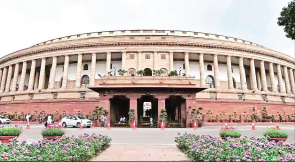
The reports, presented in Parliament on August 11, underline that J&K requires enhanced flood forecasting infrastructure, stronger regulation of construction in floodplains, and urgent expansion of water quality testing facilities to safeguard lives and livelihoods in the region.

