



Vikram Sharma
JAMMU: Rainwater harvesting serves as a vital solution to address water scarcity, particularly in the Kandi belt of the Union Territory (UT) where water tables have significantly depleted.
Efficient collection, storage, and utilization of rainwater can bolster watershed management programs, benefiting the region holistically.
However, while the government claims to be implementing watershed management and rain harvesting projects at various sites across the UT, a forward-looking and comprehensive plan is essential to maximize current efforts.
An official from the Integrated Water Management Programme (IWMP) under the Department of Rural Development and Panchayati Raj emphasized the need for a robust backup to sustain construction and collection initiatives, which are often contingent on annual rainfall.
Watershed management plays a pivotal role in maintaining ecological balance, preserving water resources, mitigating climate change impacts, and ensuring the sustainable use of natural resources. Its success promotes the resilience of ecosystems while supporting the well-being of both human and natural communities within the watershed.
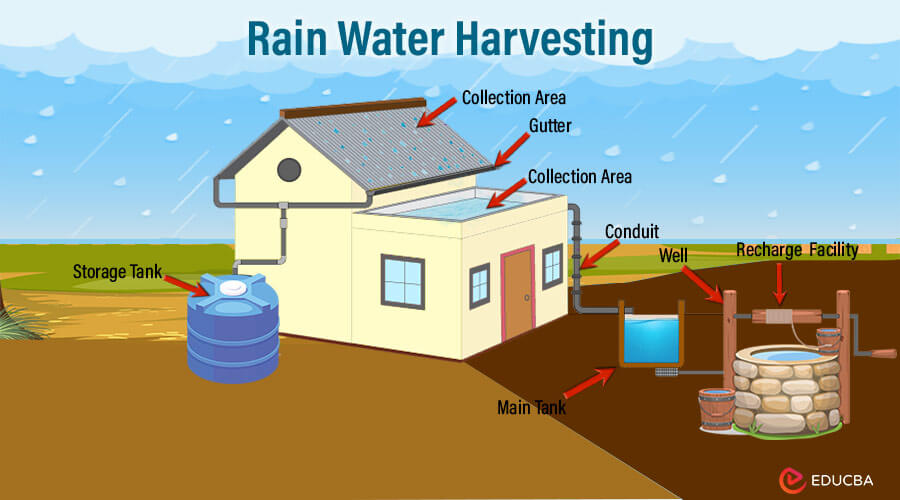
Rainwater harvesting, an integral component of the IWMP, holds immense potential in the Kandi belt, where water scarcity is a year-round challenge. Monsoon rains are collected and stored through specially designed conveyance systems, with small concrete structures and pools constructed in lower Shivalik areas, including Kathua and Sunderbani, where water tables have sharply declined.
This method not only collects rainwater but also contributes to groundwater recharge, irrespective of seasonal variations in monsoon intensity.
Harvested rainwater can be utilized for multiple purposes, including domestic use, irrigation, gardening, and recharging wells. It also reduces dependence on primary water supplies for tasks like flushing toilets, cleaning, and agriculture. This practice has the potential to enhance water security while addressing critical water needs in regions like Kandi.
A 2014 study by Rakesh Panday titled Rainwater Harvesting from Rooftop Catchment in Kandi Area, conducted at the Regional Sericulture Research Station in Miransahib, highlighted the alarming depletion of groundwater levels, which have sunk to 550 feet in parts of the Kandi area. Such findings underscore the urgency of widespread adoption of rainwater harvesting to combat water scarcity.
Government initiatives and public awareness campaigns are instrumental in promoting rainwater harvesting across Jammu and Kashmir. Authorities can encourage adoption by offering incentives, subsidies, and technical support to individuals, communities, and institutions.
Through collaborative efforts, rainwater harvesting and watershed management can secure water resources and promote sustainable development in water-stressed regions.

