



WAJAHAT SHABIR
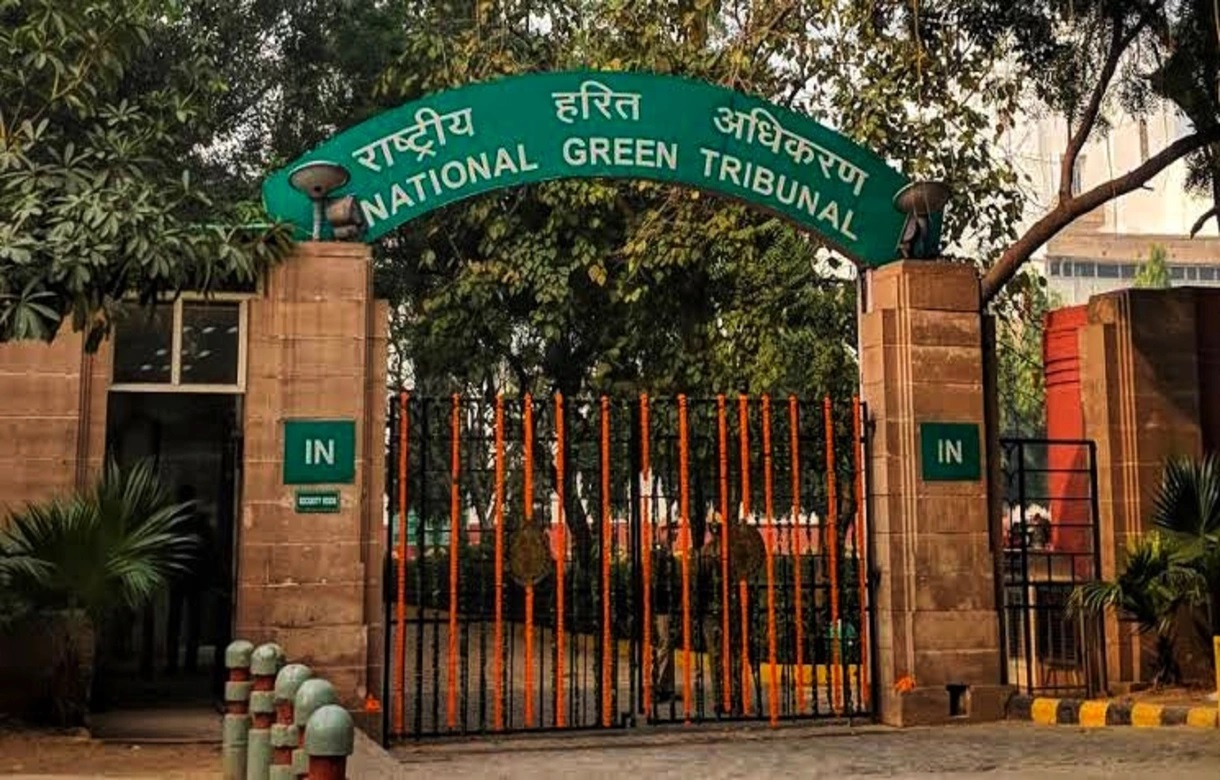
SRINAGAR: Jammu and Kashmir government has outlined a robust strategy to save dying wetlands in Kashmir; the officials have informed the National Green Tribunal.
Combining legal enforcement, ecological restoration, technological integration, and public engagement, the administration has said that a comprehensive effort is being laid to safeguard these crucial ecosystems.
Kashmiri wetlands are under significant threat due to a combination of human and environmental factors. Encroachments, unregulated urban expansion, and untreated waste have not only diminished the size of these water bodies but also polluted their ecosystems.
Additionally, reduced water inflow and siltation have further exacerbated the problem, compromising their ability to function as natural flood buffers and carbon sinks. These challenges are compounded by inadequate conservation efforts and public apathy, leaving these wetlands, which are essential for biodiversity and climate resilience, in a perilous state.
The government has issued an affidavit to NGT while outlining a multipronged approach to mitigate these challenges.
One key aspect of the response is the enforcement of the Wetlands (Conservation and Management) Rules, 2017, tailored to the specific needs of Jammu & Kashmir. This includes identifying and notifying wetlands under these rules to prevent further encroachments.
Restoration and conservation initiatives form another critical pillar of the government’s response. These include ongoing de-weeding and desilting operations in major wetlands to restore water flow and ecological health.
Specific projects, such as the rejuvenation of Wular Lake under the Wular Conservation and Management Authority (WUCMA), are being implemented with financial assistance from central government schemes. Bioengineering techniques are also being used to stabilize the edges of wetlands and prevent soil erosion.
Technological advancements play a vital role in the government’s strategy. Geographic Information System (GIS) technology is being deployed for real-time monitoring of wetland boundaries and activities. Additionally, satellite imagery analysis is being utilized to track changes in wetland areas and prioritize conservation zones effectively.
Community involvement is another cornerstone of the government’s approach. Awareness programs have been launched to educate local communities about the significance of wetlands. The administration is also engaging with stakeholders, including non-governmental organizations and academic institutions, to promote sustainable practices.
In its affidavit, the Jammu & Kashmir government highlighted the persistent challenges hampering wetland conservation. Illegal encroachments remain a significant issue, with enforcement efforts sometimes hindered by overlapping jurisdictions and resource constraints.
The government also cited inadequate funding as a major obstacle, limiting the scope of large-scale restoration and management projects. To overcome these issues, the administration proposed a cohesive strategy that emphasizes stricter enforcement, enhanced inter-agency coordination, and prioritization of budgetary allocations for wetland conservation initiatives.
In its submission, the government reaffirmed its commitment to restoring and preserving Kashmir’s wetlands.
It emphasized that ongoing efforts, such as identifying vulnerable wetlands for immediate action and incorporating modern technologies for monitoring, are steps toward creating a sustainable framework.
The affidavit also underlined the role of community participation, asserting that awareness and engagement with local stakeholders are critical to the long-term success of these conservation measures. These assurances reflect the government’s determination to not only mitigate current challenges but also lay the groundwork for lasting ecological stability.

